


Introduction
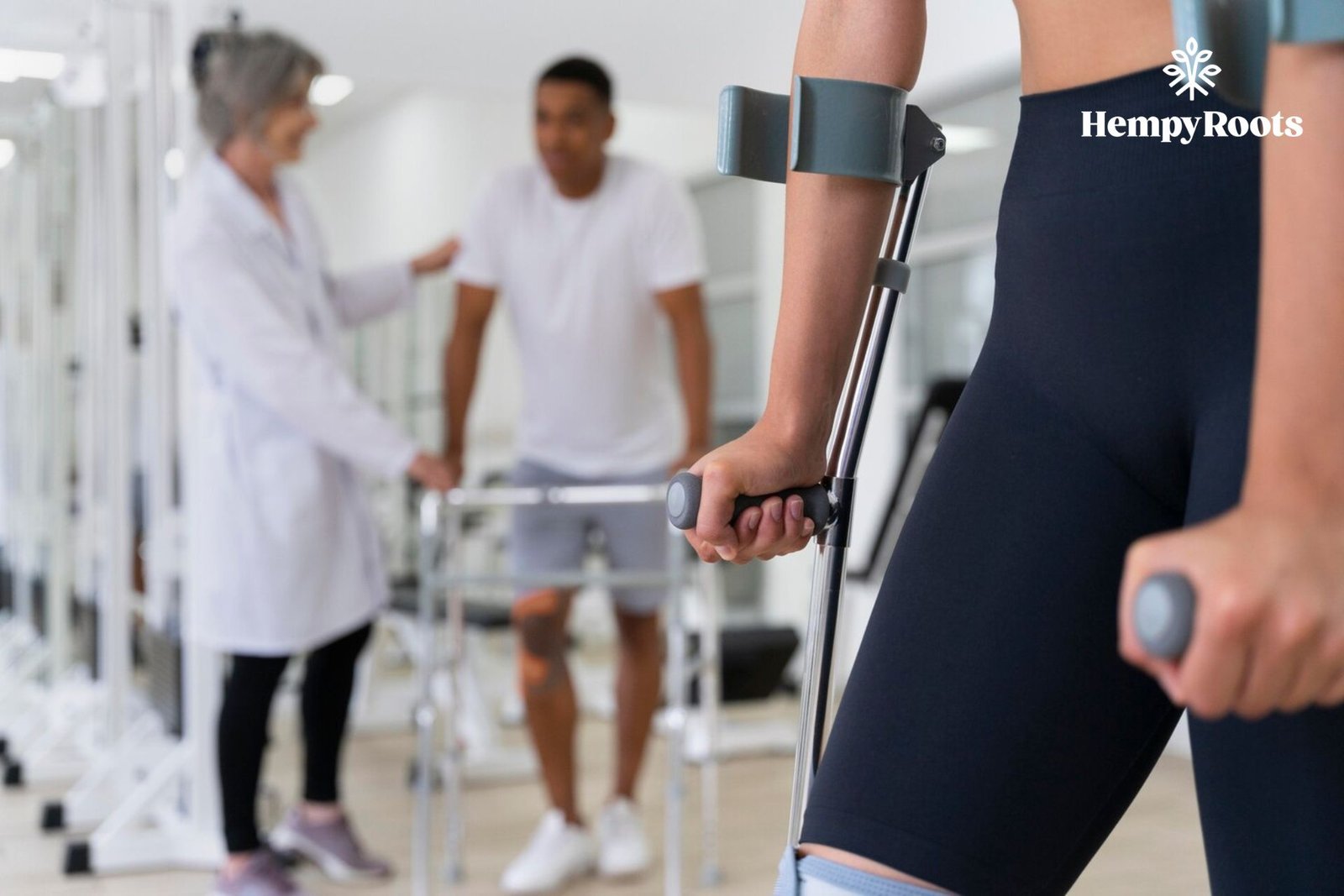
Recovery after surgery is a complex process that requires patience and balance. The body goes through a period of regeneration that can involve pain, inflammation, stress and difficulty sleeping – factors that together influence physical and emotional well-being.
CBD (cannabidiol) has already gained prominence as a possible natural ally during post-surgical recovery, thanks to its analgesic, anti-inflammatory and relaxing properties.
But to what extent does science confirm this potential? And what precautions should be taken?
The body’s natural response to surgery
After surgery, the body activates its natural defense mechanism: the inflammatory response. This process is essential for repairing tissue and fighting infection, but when it is excessive it can cause prolonged discomfort and delay healing.
Conventional painkillers and anti-inflammatories are effective, but they can cause side effects such as nausea, drowsiness, addiction or gastric discomfort. That’s why many patients are looking for natural alternatives that help relieve pain and stress without significant side effects – and this is where CBD comes in.
The endocannabinoid system and the recovery process
The endocannabinoid system (ECS) is a network of receptors that helps regulate various functions in the body, including pain, inflammation, mood and sleep.
CBD acts indirectly on this system, especially on CB2 receptors, which are linked to immune cells and peripheral tissues. This interaction helps to modulate the inflammatory response and reduce the perception of pain, without negatively interfering with the healing process.
In short, cannabidiol can contribute to a more balanced recovery – relieving discomfort without compromising the natural healing mechanism.
If you want to learn more about how CBD works in the body, check out the article How CBD works and the science behind cannabidiol.
Scientific evidence: what we already know
Science has been exploring the role of CBD in controlling pain and inflammation. Studies show that cannabidiol has strong anti-inflammatory and analgesic properties and can act as a regulator of the response of the nervous and immune systems.
In addition, initial research indicates that CBD can:
- Reduce post-operative pain by modulating pain receptors;
- It helps with muscle relaxation and rest, which are essential for recovery;
- Reduce the anxiety and stress that often accompany the post-surgical period.
There is evidence that cannabidiol can be useful in controlling chronic and inflammatory pain, although specific studies in post-surgical contexts are still lacking (source).
Limits and precautions
Despite its potential, the use of CBD after surgery should be done with caution and medical monitoring.
- CBD can interact with medications used during the post-operative period, such as painkillers, anticoagulants and antibiotics.
- Clinical research in humans is still limited and more study is needed to confirm safe dosages and protocols.
- Cannabidiol should not be applied directly to open wounds or replace conventional therapies such as physiotherapy or prescribed medication.
The article CBD in joint pain relief takes a closer look at the role of cannabidiol in natural pain control, helping to understand its usefulness in different contexts.
How CBD can safely support recovery
When used responsibly and with professional guidance, CBD can complement medical treatment:
- Sublingual oil: used to relieve anxiety and moderate pain;
- Topical balms: applied to muscle or joint areas to reduce inflammation (but never on recent scars);
- CBD infusions: help promote relaxation and deeper sleep.
CBD can also help improve the quality of sleep, which is essential for cell regeneration and for strengthening the immune system during recovery.
Conclusion
CBD presents itself as a promising natural support in post-surgical recovery, thanks to its calming, analgesic and anti-inflammatory properties. However, it’s important to remember that science is still in its infancy in this field.
Used conscientiously and under medical supervision, cannabidiol can help make the recovery process more comfortable, balanced and less stressful – without replacing conventional treatment, but acting as a complement to overall body care.